
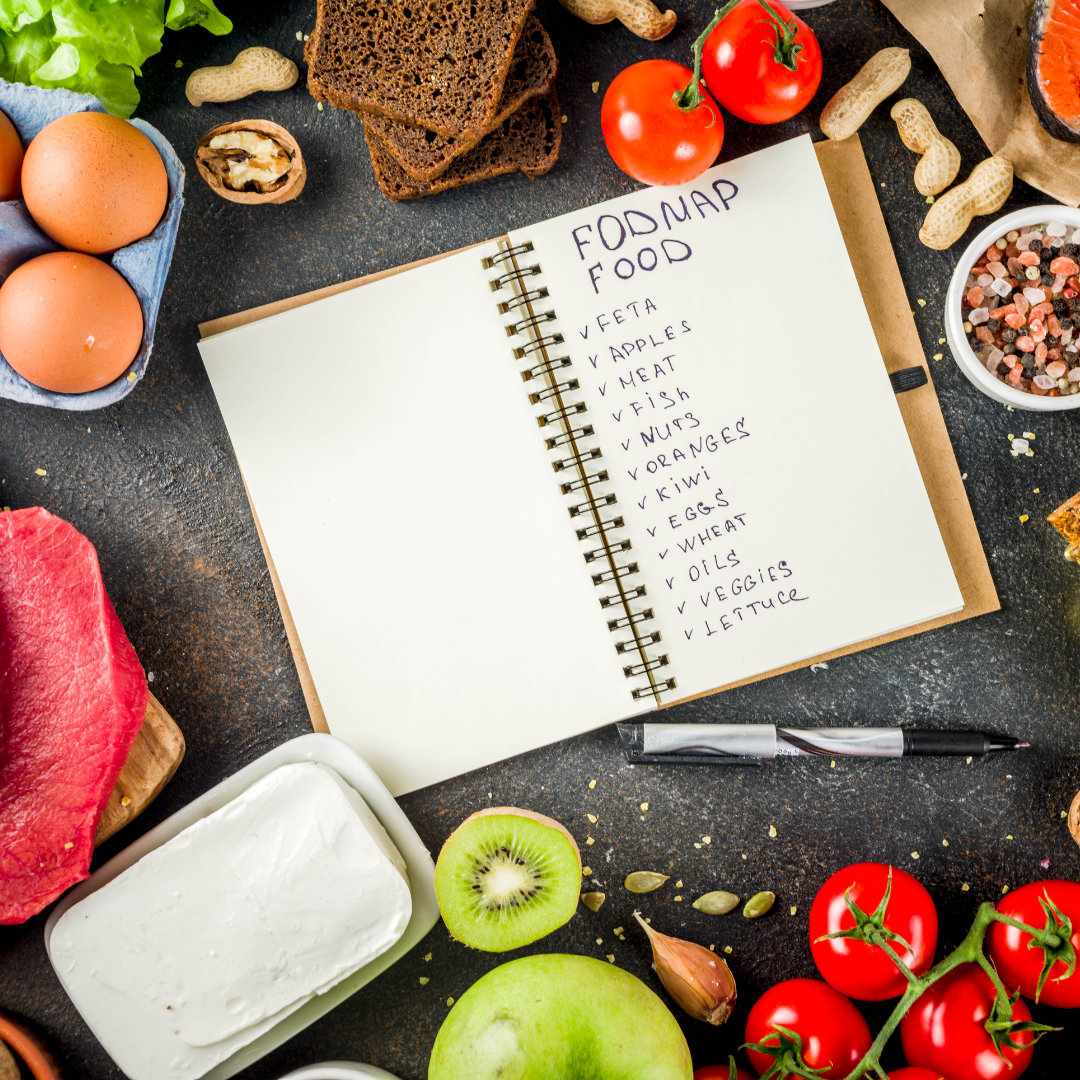
The Low FODMAP diet is a dietary approach specifically designed to help manage symptoms of irritable bowel syndrome (IBS) and other functional gastrointestinal disorders (FGID). FODMAPs, an acronym for Fermentable Oligosaccharides, Disaccharides, Monosaccharides, And Polyols, are short-chain carbohydrates that are poorly absorbed in the small intestine and can cause significant abdominal discomfort, bloating, and other digestive disturbances in sensitive individuals. The diet involves a three-phase process: elimination of high FODMAP foods, reintroduction to identify personal triggers, and personalization to maintain a long-term diet that manages symptoms while being nutritionally balanced.
How does a low FODMAP diet work?
The low FODMAP diet is a three-step elimination diet aimed at identifying foods that cause digestive distress. Initially, you eliminate high FODMAP foods from your diet, which are known to trigger symptoms. This phase lasts for two to six weeks, which helps reduce symptoms and, in cases like SIBO (Small Intestinal Bacterial Overgrowth), can decrease excessive intestinal bacteria levels. Following the elimination phase, you reintroduce high FODMAP foods one at a time every three days to pinpoint which ones cause symptoms. Foods that trigger symptoms are then avoided long-term, allowing you to manage your diet effectively while enjoying foods that do not cause discomfort.
Who Should Try a Low FODMAP Diet?
This diet is particularly beneficial for those who have been medically diagnosed with IBS or other similar digestive issues. It is recommended that the diet be followed under the guidance of a healthcare professional, such as a dietitian, to ensure nutritional balance is maintained and to help effectively identify which foods trigger symptoms. The Low FODMAP diet is not typically recommended for individuals without these conditions, as it restricts many healthy foods, potentially leading to unnecessary dietary limitations and nutritional imbalances.
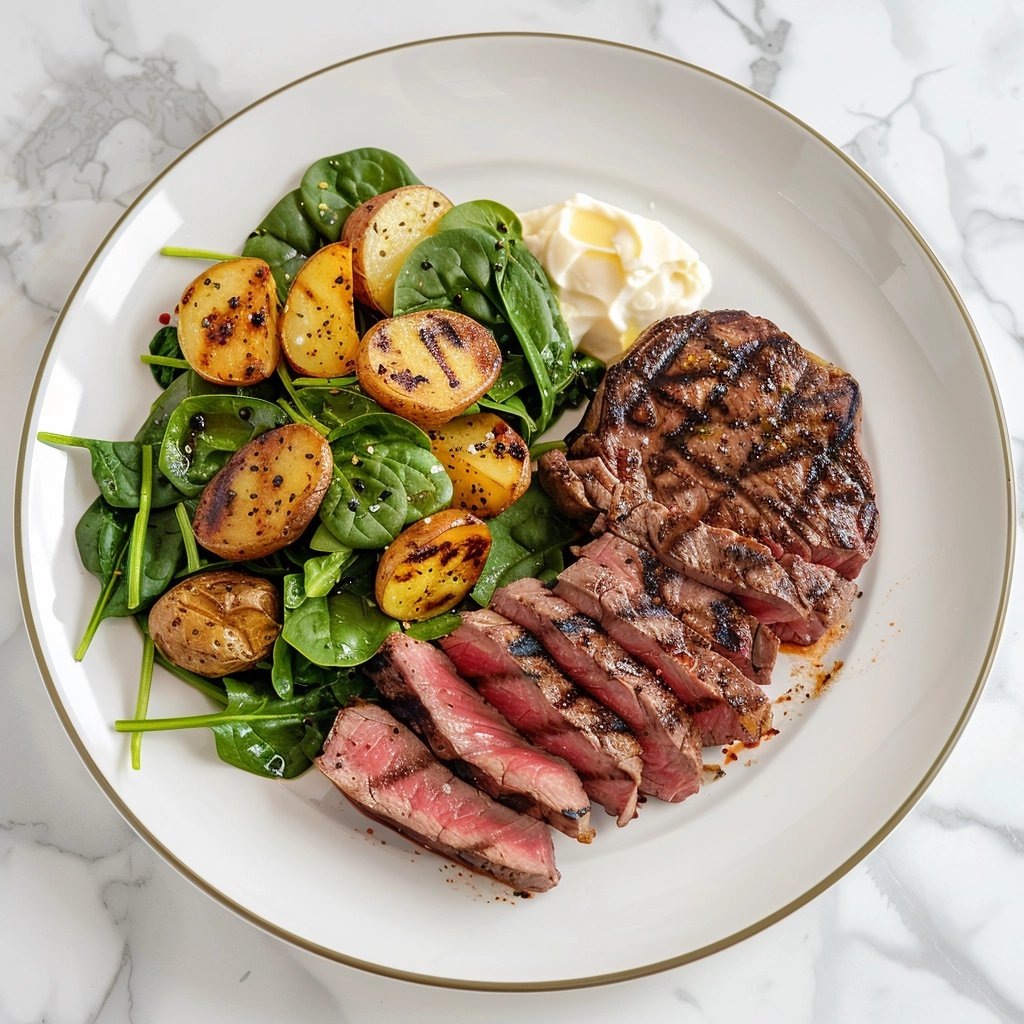
Recipe 1: Grilled New York Strip Steak with Roasted Potatoes and Spinach Salad
Ingredients:
- 2 New York strip steaks
- 4 medium potatoes, cubed
- 4 cups fresh spinach
- 2 tablespoons olive oil
- 1 lemon, juiced
- Salt and pepper, to taste
Preparation:
Prepare the Potatoes:
Preheat your oven to 425°F (220°C). Toss the cubed potatoes with 1 tablespoon of olive oil, salt, and pepper. Spread them on a baking sheet and roast for about 25-30 minutes or until golden and crisp.
Grill the Steaks:
Season the steaks generously with salt and pepper. Preheat the grill to high. Grill the steaks for about 4-5 minutes per side for medium-rare or until desired doneness.
Make the Spinach Salad:
In a large bowl, whisk together the remaining olive oil, lemon juice, salt, and pepper. Add the spinach and toss to coat.
Serve:
Plate the grilled steaks with a side of roasted potatoes and a serving of the fresh spinach salad.
This recipe is perfect for the elimination phase as it avoids high FODMAP ingredients while focusing on flavors and nutrients, making it a satisfying and safe meal option.
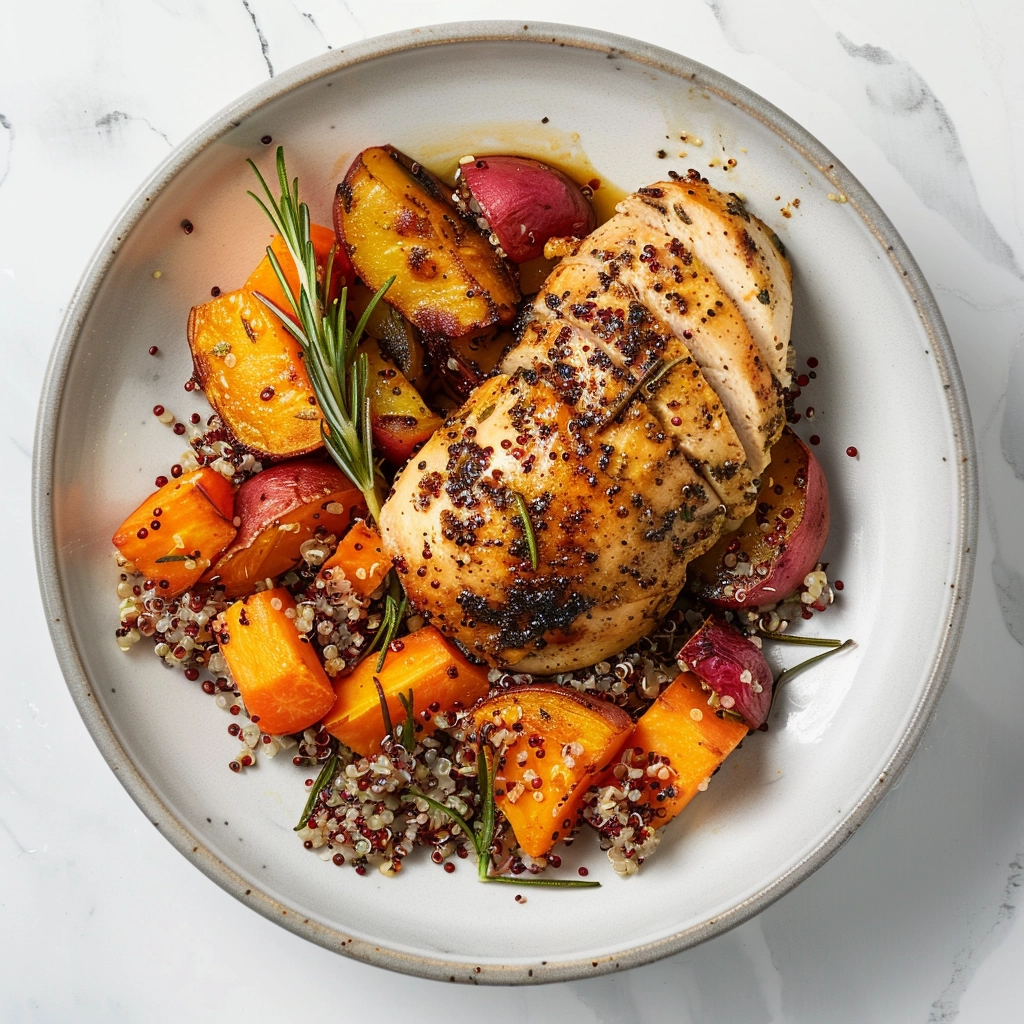
Recipe 2: Lemon Rosemary Organic Chicken with Quinoa and Sweet Potatoes
Ingredients:
- 4 organic chicken breasts
- 2 lemons, zested and juiced
- 4 sprigs of fresh rosemary, finely chopped
- 1 cup quinoa
- 2 large sweet potatoes, cubed
- Olive oil
- Salt and pepper, to taste
Preparation:
Marinate the Chicken:
In a bowl, mix lemon juice and zest, chopped rosemary, a drizzle of olive oil, salt, and pepper. Add the chicken breasts and coat evenly. Cover and refrigerate for at least 30 minutes, or overnight for more flavor.
Cook the Quinoa:
Rinse quinoa under cold water. In a saucepan, bring 2 cups of water to a boil. Add quinoa, cover, and simmer for 15 minutes or until all water is absorbed. Remove from heat and let sit, covered, for 5 minutes.
Roast the Sweet Potatoes:
Toss cubed sweet potatoes in olive oil, salt, and pepper, and spread on a baking sheet. Roast in a preheated oven at 400°F for about 25-30 minutes until tender and golden.
Cook the Chicken:
Grill or bake the marinated chicken at 375°F for about 25-30 minutes or until the chicken is thoroughly cooked and juices run clear.
Serve the grilled lemon rosemary chicken alongside fluffy quinoa and roasted sweet potatoes for a nutritious, flavorful meal.
This recipe seamlessly integrates the refreshing zest of lemon and the aromatic touch of rosemary with hearty quinoa and sweet potatoes, providing a well-balanced, delicious dish perfect for any Low FODMAP diet.
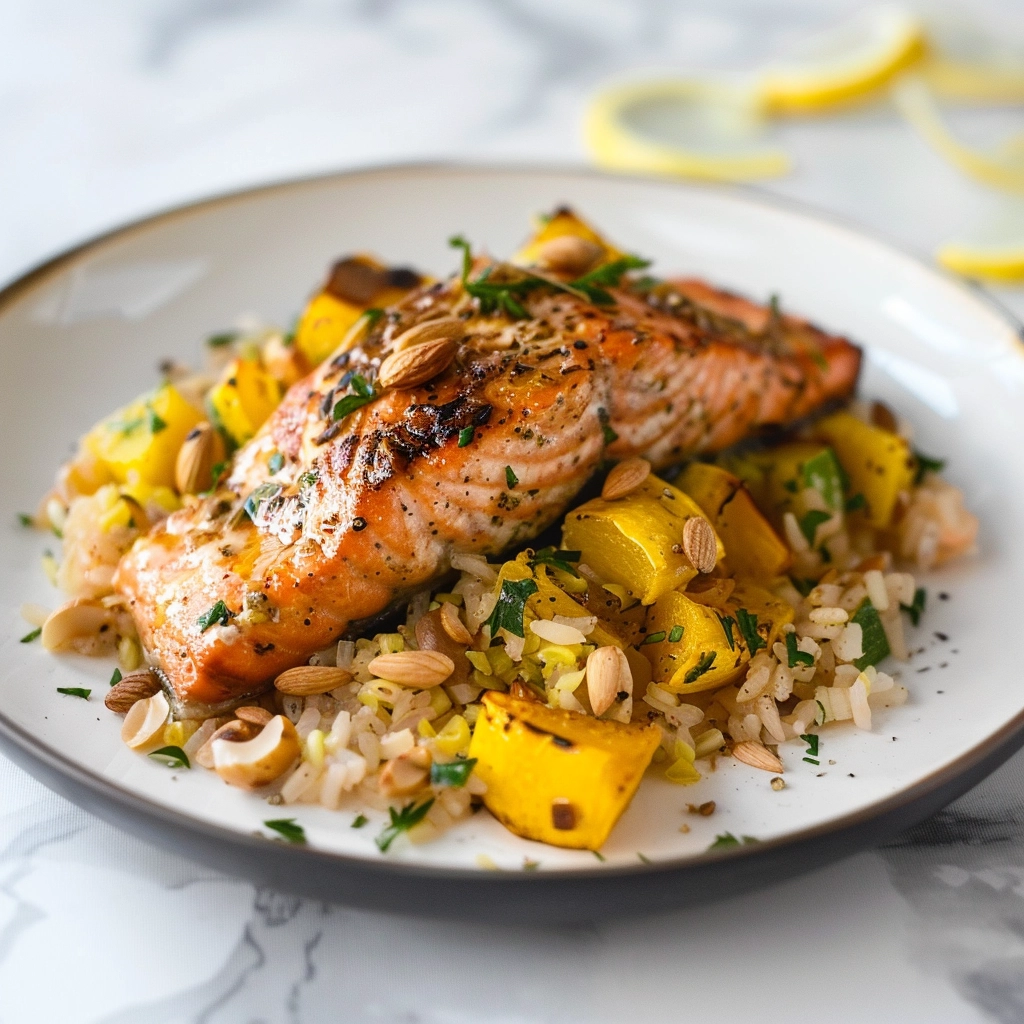
Recipe 3: Mediterranean Baked Salmon with Almond Rice Pilaf and Roasted Squash
Ingredients:
- 4 wild caught salmon fillets
- 2 yellow squashes, sliced
- 1 cup rice
- 1/4 cup slivered almonds
- 2 tablespoons olive oil
- 1 teaspoon Mediterranean seasoning (e.g., a blend of dried basil, oregano, rosemary, and thyme)
- Salt and pepper, to taste
Preparation:
Prepare the Salmon:
Preheat your oven to 375°F (190°C). Place the salmon fillets on a greased baking sheet. Drizzle with olive oil and sprinkle with Mediterranean seasoning, salt, and pepper.
Roast the Squash:
Toss sliced yellow squash with a tablespoon of olive oil, salt, and pepper. Spread alongside the salmon or on a separate baking sheet. Bake for 20-25 minutes, until the salmon is cooked through and the squash is tender.
Cook the Almond Rice Pilaf:
In a saucepan, cook rice according to package instructions. In the last 5 minutes of cooking, stir in slivered almonds.
Serve:
Plate the baked salmon with a scoop of almond rice pilaf and a side of roasted squash.
Mediterranean Baked Salmon with Almond Rice Pilaf and Roasted Squash can be considered suitable for a low FODMAP diet with a few considerations and adjustments:
Salmon: Fresh fish like salmon is naturally low in FODMAPs and is excellent for protein intake without affecting the gut adversely.
Yellow Squash: Yellow squash (also known as summer squash) is low in FODMAPs when eaten in moderation. According to the Monash University FODMAP guidelines, which are considered the gold standard for FODMAP research, about 100 grams of yellow squash is considered safe for a low FODMAP diet.
Rice: Plain rice is a low FODMAP carbohydrate source. It doesn’t contain fructans or other FODMAPs, making it easy to digest for most people with IBS.
Recipe 4: Herb-Infused Shrimp with Garlic Fennel Salad
Ingredients:
- 1 pound shrimp, peeled and deveined
- 2 tablespoons garlic-infused olive oil
- 1 large fennel bulb, thinly sliced
- 2 tablespoons lemon juice
- Fresh herbs (such as parsley and dill), finely chopped
- Salt and pepper, to taste
Preparation:
Cook the Shrimp:
Heat the garlic-infused olive oil in a large skillet over medium heat. Add the shrimp and sauté until they are pink and opaque, about 2-3 minutes per side. Season with salt and pepper.
Prepare the Fennel Salad:
In a large bowl, combine the thinly sliced fennel, lemon juice, chopped fresh herbs, salt, and pepper. Toss well to coat.
Combine and Serve:
Add the cooked shrimp to the fennel salad and toss gently to mix. Serve immediately, enjoying the crisp freshness of the salad with the warm, flavorful shrimp.
Adopting the Low FODMAP diet can be a transformative experience for those struggling with digestive issues, providing relief and identifying specific dietary triggers. By incorporating this recipe into your diet, you can savor the flavors of shrimp and fennel without the discomfort that comes with high FODMAP foods. Remember, it’s important to embark on this diet under professional supervision to tailor it effectively to your personal health needs and to maintain overall nutritional well-being.
Recipe 5: Maple-Glazed Carrot Risotto
Ingredients:
- 1 cup Arborio rice
- 4 cups low FODMAP vegetable broth
- 3 large carrots, peeled and diced
- 3 tablespoons maple syrup
- 1/4 cup grated Parmesan cheese
- 2 tablespoons olive oil
- Salt and pepper, to taste
Preparation:
Glaze the Carrots:
In a skillet, heat one tablespoon of olive oil over medium heat. Add the diced carrots and cook until they begin to soften, about 5 minutes. Drizzle with maple syrup and continue to cook until nicely caramelized, about 3-4 more minutes. Set aside.
Cook the Risotto:
In a separate pan, heat the remaining olive oil over medium heat. Add the Arborio rice and stir for 2 minutes until the grains are well-coated and slightly translucent. Gradually add the vegetable broth, one cup at a time, stirring constantly until each addition is absorbed before adding the next. Cook until the rice is tender and creamy, about 18-20 minutes.
Combine and Serve:
Stir the glazed carrots into the cooked risotto. Add grated Parmesan, salt, and pepper to taste. Mix well until the cheese is melted and the risotto is creamy.
This recipe carefully balances low FODMAP ingredients to ensure that it stays within the low FODMAP guidelines while offering a delicious and satisfying meal. As with any dietary plan, portion control is key, and individuals should adjust portions to their specific tolerance levels, which can vary widely among those on a low FODMAP diet.
Recipe 6: Turkey and Spinach Meatballs with Gluten-Free Spaghetti
Ingredients:
- 1 pound ground turkey
- 2 cups fresh spinach, finely chopped
- 1/2 cup gluten-free breadcrumbs
- 1 package gluten-free spaghetti
- Low FODMAP marinara sauce (homemade or a suitable store-bought variety without garlic or onion)
- Salt and pepper, to taste
- Olive oil
Preparation:
Make the Meatballs:
In a mixing bowl, combine ground turkey, chopped spinach, gluten-free breadcrumbs, salt, and pepper. Mix well until the ingredients are evenly distributed.
Form the mixture into small balls, about the size of a golf ball.
Heat a skillet with olive oil over medium heat. Add the meatballs and cook, turning occasionally, until browned and cooked through, about 10-15 minutes.
Cook the Spaghetti:
Cook the gluten-free spaghetti according to package instructions until al dente.
Serve:
Serve the meatballs over the cooked spaghetti, topped with low FODMAP marinara sauce.
This recipe is suitable for a low FODMAP diet due to its use of low FODMAP ingredients:
Ground Turkey: A good source of protein and low in FODMAPs.
Spinach: Low in FODMAPs, especially when used fresh and in moderation.
Gluten-Free Breadcrumbs and Spaghetti: Suitable for those avoiding gluten and wheat, which are common irritants in IBS.
Low FODMAP Marinara Sauce: Specifically made without high FODMAP ingredients like onions and garlic, making it ideal for those sensitive to these triggers.
This dish provides a hearty, nutritious meal without the common FODMAPs that can trigger digestive symptoms in susceptible individuals.
Finally, our last recipe has to be a low-FODMAP dessert.
Recipe 7: Strawberry and Kiwi Pavlova
Ingredients:
- 4 large egg whites
- 1 cup granulated sugar
- 2 kiwis, peeled and sliced
- 1 cup strawberries, sliced
- 1 cup lactose-free cream
Preparation:
Bake the Meringue:
Preheat your oven to 250°F (120°C). In a clean bowl, beat the egg whites until soft peaks form. Gradually add sugar, continuing to beat until stiff peaks form and the meringue is glossy.
Spoon the meringue onto a parchment-lined baking sheet, forming a round base. Make a slight indent in the center to hold the toppings later.
Bake for 60-75 minutes or until dry and crisp. Turn off the oven and let the meringue cool completely inside.
Prepare the Toppings:
Whip the lactose-free cream until it forms soft peaks.
Assemble the Pavlova:
Place the cooled meringue on a serving dish. Top with whipped cream, then arrange the sliced strawberries and kiwi on top.
Why This Is a Low FODMAP Dessert
This Strawberry and Kiwi Pavlova is suitable for a low FODMAP diet for several reasons:
Egg Whites: Naturally low in FODMAPs and form the base of the dessert.
Sugar: While it should be consumed in moderation, sugar is low in FODMAPs and suitable for this dessert.
Kiwis and Strawberries: Both fruits are considered low FODMAP at certain servings. Strawberries are generally low FODMAP, and kiwi is low FODMAP in servings of up to two small fruits per sitting.
Lactose-Free Cream: Using lactose-free cream makes this dessert suitable for those avoiding lactose, a common FODMAP that can trigger digestive symptoms.
Lactose-free cream is a great option for those following a low FODMAP diet as it removes lactose, which is a common trigger for digestive discomfort in many individuals with lactose intolerance or IBS. Here are some common types of lactose-free creams that can be used in various recipes:
Lactose-Free Heavy Cream – This is a direct substitute for traditional heavy cream but is processed to remove lactose. It works well in recipes that require whipping or cooking that involves high heat.
Lactose-Free Half-and-Half – Made from a combination of lactose-free milk and cream, this is lighter than heavy cream but still adds richness to coffee, sauces, and soups.
Lactose-Free Whipping Cream – Specifically designed to whip to soft or stiff peaks, this cream is ideal for desserts like mousses, puddings, or as a topping for pies and cakes.
Lactose-Free Sour Cream – Although not a “cream” in the traditional sense used for whipping, lactose-free sour cream can be used in dips, dressings, and baked goods where a tangy flavor is desired.
These products are typically labeled as “lactose-free” and are often found in the dairy section alongside their lactose-containing counterparts. Always check the labels for any additional ingredients that might be high in FODMAPs, such as additives or thickeners, to ensure they fit within the guidelines of a low FODMAP diet.
Coconut-based creams are also popular alternatives in the category of lactose-free creams, especially among those who are not only lactose intolerant but also vegan or looking for dairy-free options. Coconut cream is widely used due to its rich texture and mild flavor, which makes it a versatile substitute for dairy-based creams in both sweet and savory dishes.
Coconut cream is made from the flesh of mature coconuts. The flesh is grated and soaked in hot water, then strained to produce a thick, rich liquid that separates from the coconut milk and is known as coconut cream. It’s excellent for making desserts, curries, sauces, soups, and beverages where a creamy consistency is desired.
Additionally, many brands now offer coconut-based whipped creams, which are pre-whipped and ready to use as a topping for desserts. These products are often found in the refrigerated section of grocery stores alongside other whipped topping options.
For those looking for a dairy-like experience, there are also manufactured lactose-free dairy creams made from cow’s milk with the lactose removed. These products provide a taste and texture similar to traditional dairy cream but without the lactose, making them suitable for those with lactose intolerance. Brands like Lactaid and Green Valley Creamery are known for their lactose-free dairy products, including creams.
This dessert offers a delicious way to enjoy a sweet treat without the discomfort often associated with high FODMAP ingredients, making it ideal for those managing dietary sensitivities.
In Conclusion
Embracing a Low FODMAP diet can be a life-changing decision for those with sensitive digestive systems, offering relief from symptoms while maintaining nutritional balance. The recipes showcased in this blog post highlight the diversity and deliciousness achievable within this dietary framework. Maple-Glazed Carrot Risotto, along with other dishes such as Herb-Infused Shrimp and Mediterranean Baked Salmon, exemplifies how simple ingredients can be transformed into exquisite meals that cater to sensitive stomachs without compromising on taste. Whether you’re a seasoned chef or a kitchen novice, these recipes are designed to make low-FODMAP cooking accessible and enjoyable. Chef Karin encourages you to experiment with these dishes, discover new favorite flavors, and appreciate the benefits of a diet that not only manages symptoms but also delights the palate. Remember, dietary restrictions do not have to mean dull meals—flavor and variety are still very much on the menu! Chef Karin, a nutritionist and chef since 2013, is here to help. Are you ready to enjoy Holistic Culinary’s low-FODMAP meals? Fill out our food questionnaire to get started.